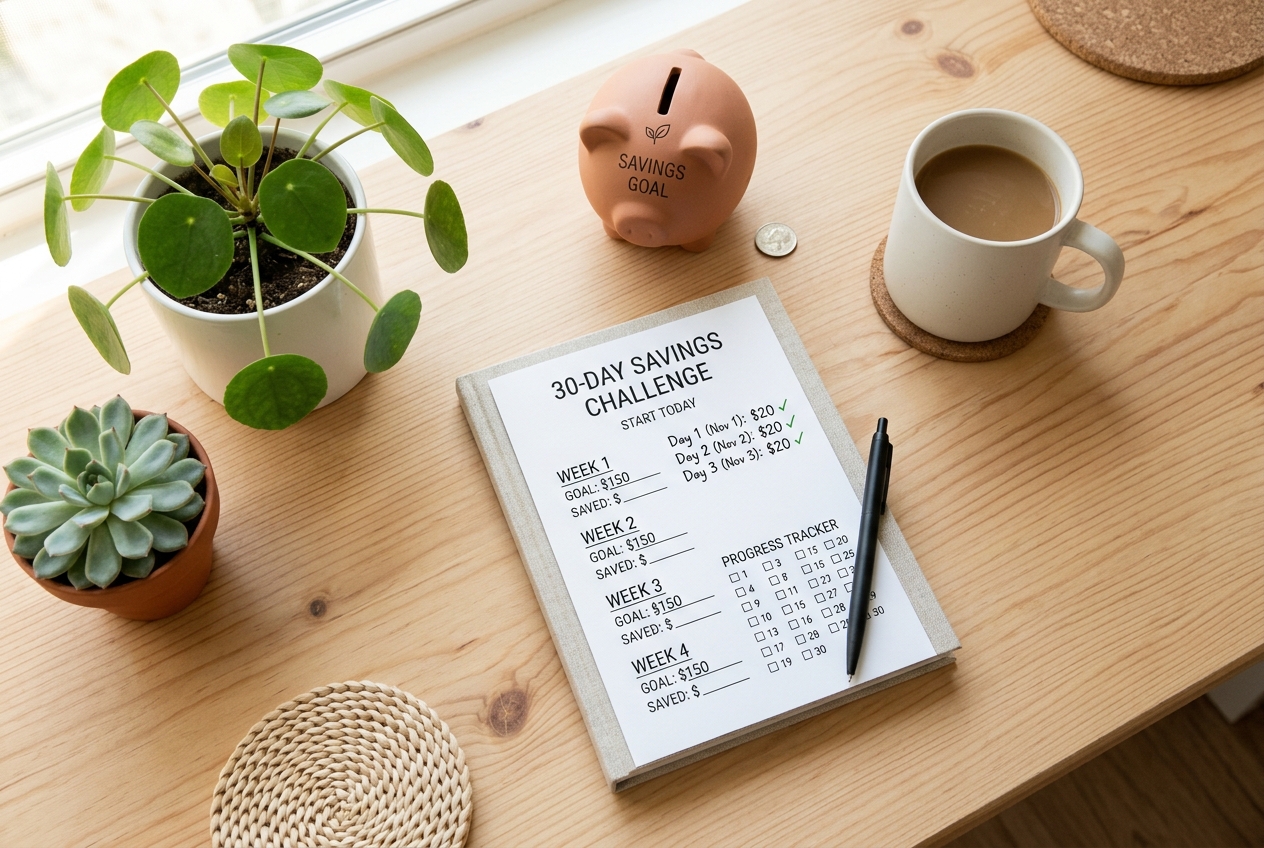
What is a No-Spend Challenge?
A 30-Day No-Spend Challenge (often called a "No-Spend Month") is an intentional commitment to spend money only on absolute necessities for 30 consecutive days.
It is not about suffering or extreme deprivation. It is a dopamine reset for your wallet. It shines a glaring spotlight on your subconscious spending triggers, breaks mindless buying habits, and typically frees up between $500 and $1,500 in unspent cash over 30 days.
If you have felt stressed about rising costs, credit card balances, or feel like your money slips through your fingers every week, this challenge is the ultimate antidote.
The Golden Rules: What’s In vs. What’s Out
The number one reason people fail a no-spend challenge is setting vague, impossible expectations. Before Day 1, you must write down your clear boundaries:
✅ ALLOWED (The Essentials)
- Rent or mortgage payments
- Essential groceries (basic ingredients, zero luxury snacks)
- Utilities (electricity, gas, water, home internet)
- Commuting costs (fuel, public transit to work)
- Mandatory prescriptions and medical care
- Minimum payments on debt obligations
❌ FORBIDDEN (The Discretionary Leaks)
- Dining out, drive-thrus, and food delivery apps (UberEats, DoorDash)
- Takeaway coffee and specialty drinks
- Clothing, shoes, and accessory shopping
- Home decor, plants, and impulse Amazon orders
- Entertainment, movies, and paid weekend events
- Paid beauty treatments and manicures (switch to DIY for 30 days)
5 Practical Strategies to Guarantee Success
1. Set a Crystal Clear "Why"
Don't do a no-spend challenge just for the sake of it. Assign the money saved to an urgent, motivating goal:
- "I am saving an extra $800 to fully fund my $1,000 emergency fund."
- "I am paying off the remaining $600 balance on my credit card."
When temptation strikes on Day 14, your goal must be stronger than your momentary craving.
2. Prepare Your "Emergency Meal" Stash
Day 12 will arrive. You will be tired after a brutal 9-hour workday, you will not want to cook, and the temptation to order pizza will be overwhelming.
The Defense: Before Day 1 begins, stock your freezer with 3 simple, comforting, 15-minute emergency meals (e.g., frozen veggie dumplings, pasta with jarred pesto and chickpeas, or homemade freezer breakfast burritos).
3. Replace, Don’t Just Restrict
If you spend your weekends browsing shopping malls or scrolling Instagram for fun, removing spending will leave a painful void. You must substitute spending with free, enriching activities:
- Host a board game night or potluck at home with friends.
- Explore local hiking trails and regional parks.
- Visit your local library (books, audiobooks, and streaming passes are 100% free).
- Practice a deep decluttering sprint of your closets.
4. Create a "Wanted but Delayed" List
Whenever an urge to buy something non-essential hits you during the month, write it down in your notes app with the date and price. Tell yourself: "If I still want this on Day 31, I can buy it."
Nearly 80% of items on that list will lose all their appeal before the 30 days finish.
5. Track Every Single Day Visually
Habit research proves that visual progress is the strongest behavioral reinforcement mechanism.
Download our free printable 30-Day Mindful Spending Tracker. Tape it to your refrigerator or bathroom mirror. Coloring in each successful green box at night delivers a real sense of accomplishment.
What to Do on Day 31
When you complete the challenge, do not celebrate by going on a $400 shopping spree. Take stock of what you learned:
- Calculate your total savings: Tally up how much unspent money remains in your checking account.
- Move it immediately to high-yield savings: Transfer your savings to a 5.0% account so it begins earning passive returns. You can model your growth with our Compound Interest & Savings Calculator.
- Transition to the 50/30/20 Rule: Move from a 0% spending sprint to a sustainable long-term budget. Use our free 50/30/20 Budget Calculator to enjoy 30% for guilt-free Wants while keeping 20% dedicated to building wealth.