The Neuroscience of the "One-Click" Purchase
Have you ever sat on the couch after a long, exhausting workday, opened an online shopping app, and suddenly found yourself tapping "Buy Now" on a $70 gadget or clothing item you didn't know existed 10 minutes ago?
You aren't weak-willed. Your brain has been systematically hijacked by thousands of software engineers, behavioral economists, and UX designers whose entire job is to remove every single ounce of friction between your desire and your money.
When you see an item you desire, your brain releases dopamine — the neurotransmitter of anticipation. Crucially, dopamine peaks before you actually own the item. Once the parcel arrives on your doorstep 48 hours later, the high evaporates, replaced by buyer's remorse and a lighter bank account.
To beat this system, you don't need superhuman willpower. You need a simple, impenetrable rule: The 24-Hour Rule.
What is the 24-Hour Rule?
The 24-Hour Rule is a conscious commitment to pause for exactly 24 hours between identifying a non-essential item you want to buy and actually pulling the trigger.
The Standard Framework:
- Under $50: Wait 24 Hours.
- $50 – $200: Wait 72 Hours (3 Days).
- Over $200: Wait 30 Days (The 30-Day Delay Rule).
During this mandatory pause, you do not immediately say "no." You simply say, "Not right now. If I still want it tomorrow, I will consider it."
This subtle psychological shift removes the sensation of deprivation. It allows the emotional dopamine surge to recede so your rational, analytical prefrontal cortex can evaluate the purchase objectively.
Why It Works: 4 Psychological Shifts
1. It Cools Down the "Hot State"
Psychologists refer to emotional, impulsive decision-making as being in a "hot state" (hunger, stress, boredom, exhaustion). When you sleep on a purchase, you re-enter a "cool state" where you can evaluate whether the item genuinely aligns with your core values.
2. The Wishlist Magic
Instead of clicking "Buy Now", place the item on an external Wishlist or add it to your browser bookmarks. Studies show that the simple act of bookmarking or writing an item down satisfies over 60% of the initial dopamine urge, providing the psychological sensation of progress without spending a cent.
3. The "Hours of Life" Conversion
Before you buy, convert the dollar price tag into hours of your labor: $$\text{Real Cost} = \frac{\text{Price of Item}}{\text{Your Hourly Net Pay}}$$
If you make $25 per hour after taxes and an attractive jacket costs $150, ask yourself: "Is this jacket worth sitting at my desk working from 9:00 AM to 3:00 PM on a Tuesday?" Framing purchases as trading chunks of your finite life instantly reprioritizes your spending.
4. Over 70% of Desires Evaporate Overnight
When people faithfully practice the 24-hour rule, they discover an astonishing pattern: over 70% of the things they desperately wanted yesterday are completely forgotten 24 hours later. The urge was fleeting; the saved money is permanent.
3 Practical Ways to Implement the Rule Today
- Delete Stored Credit Card Details in Your Browser: Remove your saved autofill card numbers from Chrome, Safari, and Amazon. Having to physically stand up, find your wallet, and manually type 16 digits creates the golden 60-second window needed to stop impulse buys.
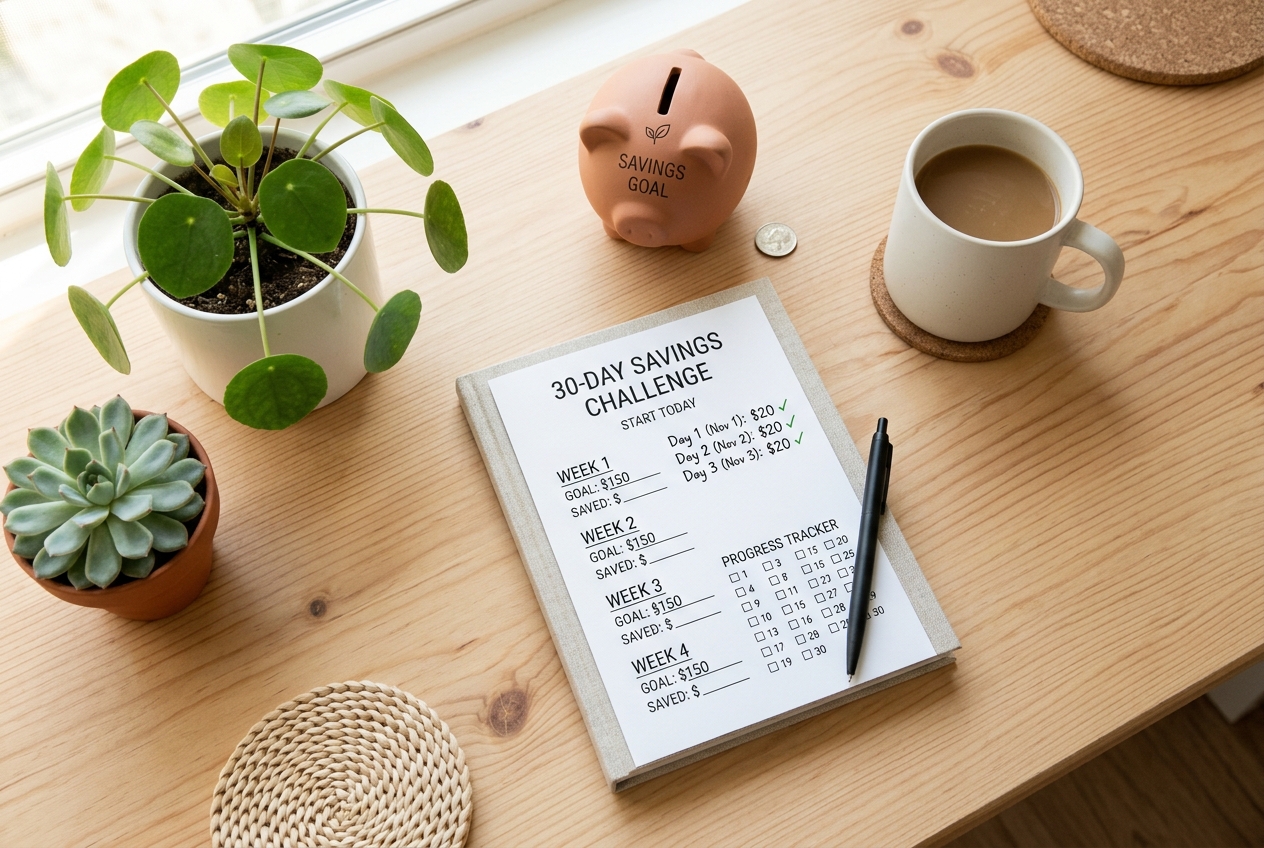
- Use Our Free Printable Worksheet: Download our 30-Day Mindful Spending Tracker. It includes an "Impulse Delay Log" where you write down the item, date, and price. After 30 days, review the list and see how much money you preserved.
- Automate Your 20% First: Protect your money before you have the chance to spend it. Use the 50/30/20 Budget Calculator to determine your ideal savings split, and schedule automated transfers to your savings on payday.
The Ultimate Goal: Intentional Freedom
Mindful money management is not about depriving yourself of joy or living like a monk. It is about intentionality — ensuring that every dollar you spend brings maximum value, fulfillment, and lasting peace to your life.
Try the 24-Hour Rule for the next 7 days. You will be amazed at how much lighter your clutter feels and how much heavier your bank account becomes.